

Context.
Before conclusion.
__________________
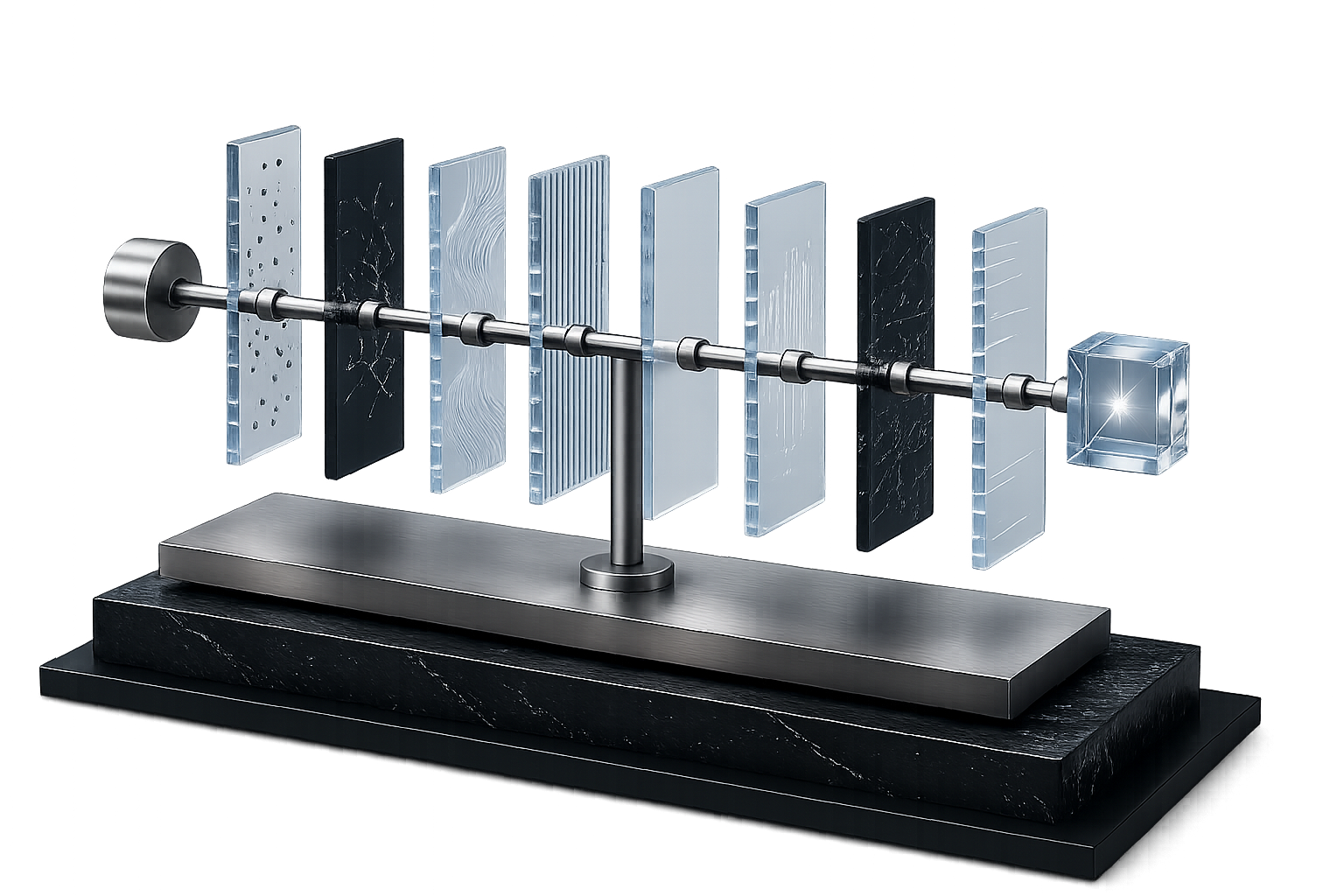
Operational insight for commercial and legal teams.
Scroll to Explore
⌄

Operational records often explain what happened and record why decisions were made. They rarely convey the full operational context in which those decisions were made.
Time pressure, commercial commitments, technical uncertainty, operational constraints and competing risks all influence judgement. These realities are rarely apparent when documentary evidence is considered in isolation.
What was reasonable
at the time?

Reasonableness cannot be judged without first understanding the operational context in which the evidence was created.

Evidence
before opinion.

Every instruction begins with establishing the factual record.
Project documentation, contemporaneous communications, technical records and other available evidence are reviewed before questions of cause, significance or reasonableness are considered.
Only once the available evidence has been understood within its operational context can technical analysis begin.
Where assumptions are necessary, they are identified. Where evidence is incomplete, limitations are acknowledged. Where alternative interpretations remain possible, they are considered.
Every opinion should be traceable to the evidence upon which it relies.

Method.
Reliable conclusions are built through disciplined analysis, not intuition.
Every instruction begins by establishing the factual record.
Project documentation, contemporaneous communications, technical records and operational data are reviewed to understand not only what occurred, but the conditions under which those events took place.
Only once that foundation has been established can meaningful technical analysis begin.
Establish the facts. Evidence is gathered from all available sources and assessed for completeness, consistency and reliability before any conclusions are formed.
Reconstruct the sequence. Chronology provides the framework through which evidence can be understood. Events are reconstructed to identify relationships, dependencies and decision points.
Understand the operational environment. Documents rarely capture the full operational picture. Commercial pressures, technical constraints, environmental conditions and human factors are considered alongside the documentary record.
Test assumptions. Alternative explanations are actively explored. Assumptions are identified rather than accepted, ensuring that conclusions remain grounded in demonstrable evidence.
Reach proportionate conclusions. Analysis distinguishes between established fact, technical interpretation and professional opinion. Conclusions remain proportionate to the quality and extent of the available evidence.
Communicate clearly. Complex technical matters should remain understandable. Findings are presented in a structured manner that allows engineers, commercial teams and legal professionals to follow the reasoning from evidence to conclusion.

A conclusion is only as reliable as the process by which it is reached.

Experience.
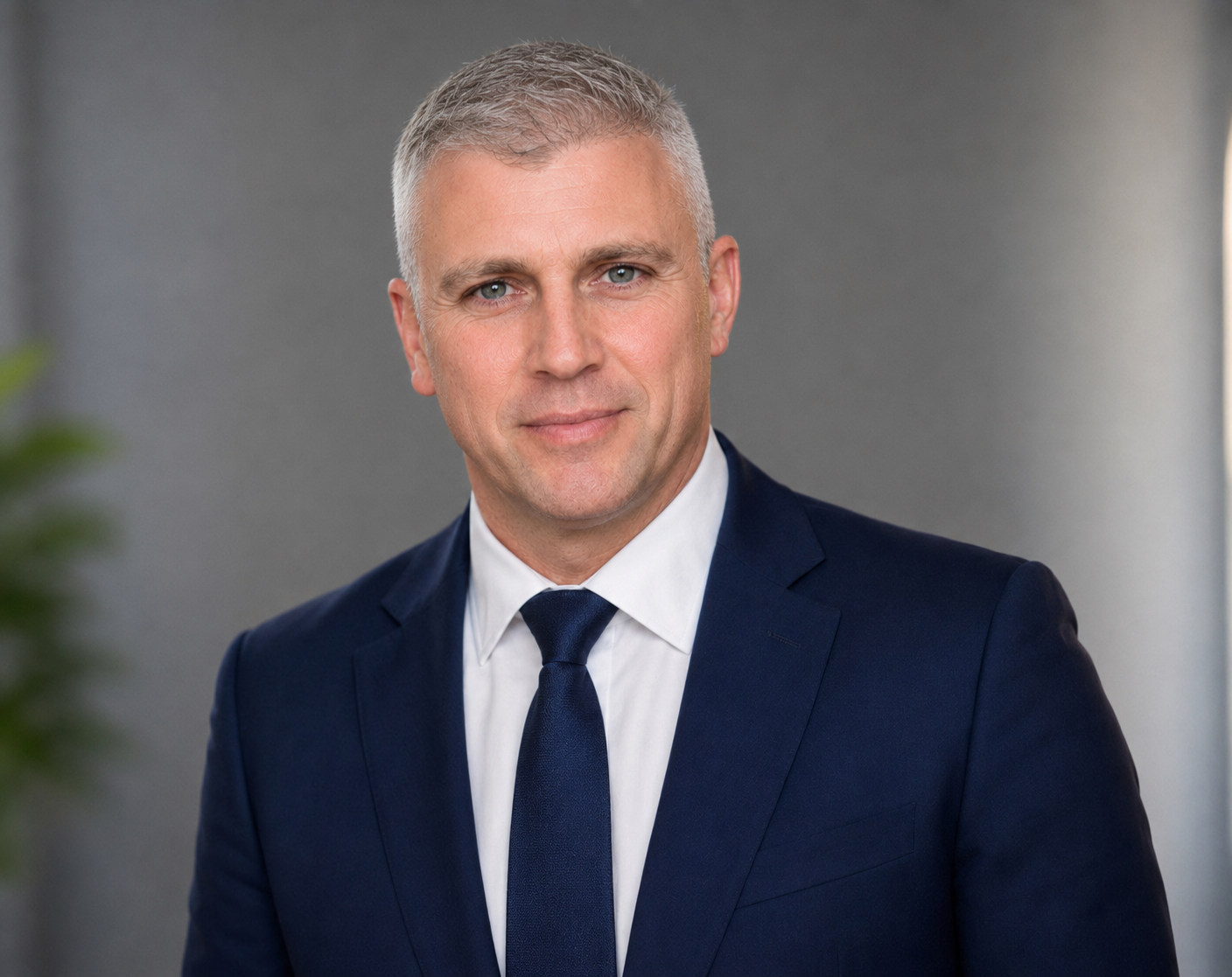
Almost three decades of operational experience.
Drawing upon almost three decades of experience in heavy lift, marine construction and offshore wind, I have supported technically complex offshore projects across Europe, Asia and North America.
My early career was spent in heavy-lift construction, progressing through a range of operational lifting roles, including Banksman, Crane Operator, Crane Supervisor and Crane Coordinator, before moving into the role of Appointed Person for Lifting Operations. This progression provided first-hand experience of lifting operations at every level, from execution on site to planning, governance and overall responsibility for complex lifting activities.
As an Appointed Person for Lifting Operations, I was responsible for developing lifting plans, undertaking the technical planning of lifting operations, interpreting technical drawings, assessing operational risk, and ensuring the safe management and execution of complex lifting operations. I also fulfilled the role of Appointed Person for Principal Contractors, with overall responsibility for the safe management of lifting operations across multi-contractor construction sites, coordinating and overseeing the Appointed Persons engaged by specialist subcontractors. These roles required the continual integration of technical, safety, programme and contractor interfaces within high-risk operational environments.
Combined with my NEBOSH qualification and extensive experience of safe systems of work, this practical foundation continues to shape how I assess technical and operational decisions, risk and procedural compliance.
Building upon this foundation, my career progressed into senior client-side oversight of transport and installation campaigns, working at the interface between Clients, Contractors, Marine Warranty Surveyors, vessel owners, OEMs and regulatory authorities. These appointments have required the continual alignment of technical, operational and commercial priorities throughout live offshore execution.
This progression has provided perspective across every stage of the operational decision-making process, from planning and execution through to client oversight and independent technical review.
Remaining actively involved in offshore transport and installation campaigns ensures my methodology continues to evolve alongside current industry practice and the operational realities of modern offshore construction.
International project experience
Since entering the offshore wind industry in 2012, I have supported the installation of foundations, offshore substations and wind turbines on projects throughout the United Kingdom, Poland, France, Belgium, Germany, the Netherlands, Taiwan and the United States. My wider experience also includes major heavy-lift, marine construction and infrastructure projects within the United Arab Emirates and Kazakhstan.
Appointments have included Client Representative, Offshore Manager, Offshore Installation Manager, Offshore Construction Manager, Transport & Installation Manager and Heavy Lift Specialist, providing oversight of complex offshore operations from project mobilisation through to offshore execution and completion.
Representative Projects
Offshore Wind
Continental Europe United Kingdom
Baltic Power (PL) London Array
Saint-Nazaire (FR) Greater Gabbard
Gemini (NL) Lincs
Luchterduinen (NL) Galloper
Baltic II (DE) East Anglia One
Northwind (BE)
Thornton Bank III (BE) North America
Alpha Ventus (DE) Coastal Virginia
Asia
Taiwan Power Company I (TW)
Taiwan Power Company II (TW)
Changfang & Xidao
Yunlin
Nuclear & Energy Infrastructure
Hinkley Point C Marine Works (UK)
Dos Bocas Marine Terminal (MX)
Marine & Decommissioning
Tyne & Guinevere Decommissioning (NL)
Prorva Access Channel (KZ)
Dubai Harbour (UAE)
Landmark Construction Projects
United Kingdom
Barclays Tower Kingston University
Chichester Museum One New Change
Chiswick Park Royal Arsenal
Farringdon Station The Shard
Frimley Park Hospital Wimbledon, Centre Court
Heathrow Airport, T2 Wimbledon, No. 1 Court
Operational perspective
My experience has been gained through direct involvement in offshore operations rather than retrospective review. Working within live project environments has provided first-hand exposure to the technical, environmental, commercial and operational constraints that influence decision-making offshore.
This practical perspective enables me to assess technical issues within their operational context, recognising not only what procedures required, but also the realities under which those procedures were applied. It is this combination of operational experience and technical judgement that underpins my professional practice.
Development
Professional judgement should continue to evolve alongside industry practice. Continued professional development, recognised professional memberships and specialist training support the analytical methodology described throughout this website while ensuring it remains aligned with current technical, legal and operational developments.
Professional Memberships
Member, International Institute of Risk & Safety Management (MIIRSM)
Member, Society of Construction Law
Member, Institute of Marine Engineering, Science & Technology (MIMarEST) (application in progress)
Professional Qualifications
NEBOSH National General Certificate
NVQ Level 6 Diploma – Management & Control of Lifting Operations
Extensive offshore and marine industry certifications, including STCW, GWO and HUET
Current Professional Development
I am currently undertaking the Bond Solon / Cardiff University Civil CUBS Expert Witness Certificate, supporting my transition into expert witness work and technical dispute resolution while strengthening the communication and evidential skills required for formal legal proceedings.

Instruct.
Every instruction begins with establishing the facts.
Typical Instructions
Independent Technical Review
Review of technical, operational and documentary evidence to support engineering, commercial or legal decision-making.
Operational Decision Review
Assessment of operational decisions against the information, constraints and practical alternatives that existed at the time.
Expert Support
Operational and technical analysis supporting appointed experts, legal teams and claims consultants.
Incident Investigation
Independent reconstruction of operational events to identify causal factors and evaluate decision-making.
Technical Due Diligence
Independent review of technical documentation, execution strategy and project risk before major commercial or operational decisions.
Risk & Assurance Review
Independent review of engineering assurance, operational governance and project controls.
Every instruction is considered individually.
Before accepting an instruction, I consider:
• Independence
• Relevant operational experience
• Scope of instruction
• Availability

Well-defined instructions produce well-founded conclusions.

Contact.
Begin the conversation.
Every instruction begins with understanding the matter.
An initial confidential discussion provides an opportunity to understand the issues, determine whether I may be able to assist, and establish whether the matter would benefit from my involvement.
All enquiries are treated in the strictest confidence.
Every matter begins with understanding.